JOURNAL / FIELD NOTES
Coffee on Ishigaki in the Urizun Season
· KEISUKE FUJITA
A springtime coffee walk on Ishigaki, from specialty roasters to a quiet café in a traditional house.
I’m spending another week on Ishigaki.
In Okinawa, the season from about late March to late April, corresponding to the second and third months of the lunar calendar, is called urizun. It’s considered one of the most pleasant times of year. The weather is warm without being too hot, and the breeze is gentle. Walking around Ishigaki in this weather, I keep finding myself taking the long way.
Here on Ishigaki, I take breaks from work to go for a walk and get a coffee. In a city, I tend to hurry toward wherever I’m going. Here, it feels more natural to walk a little, stop for coffee, then keep walking. There’s something about the soft air of urizun and a good cup of coffee that makes me happy.
One of the things I find interesting about Ishigaki is how much its coffee scene has changed in the last few years. When I came here six years ago, I don’t remember there being nearly as many places that took their coffee this seriously. KLATCH COFFEE, which opened in 2019, is the one that sticks in my memory.
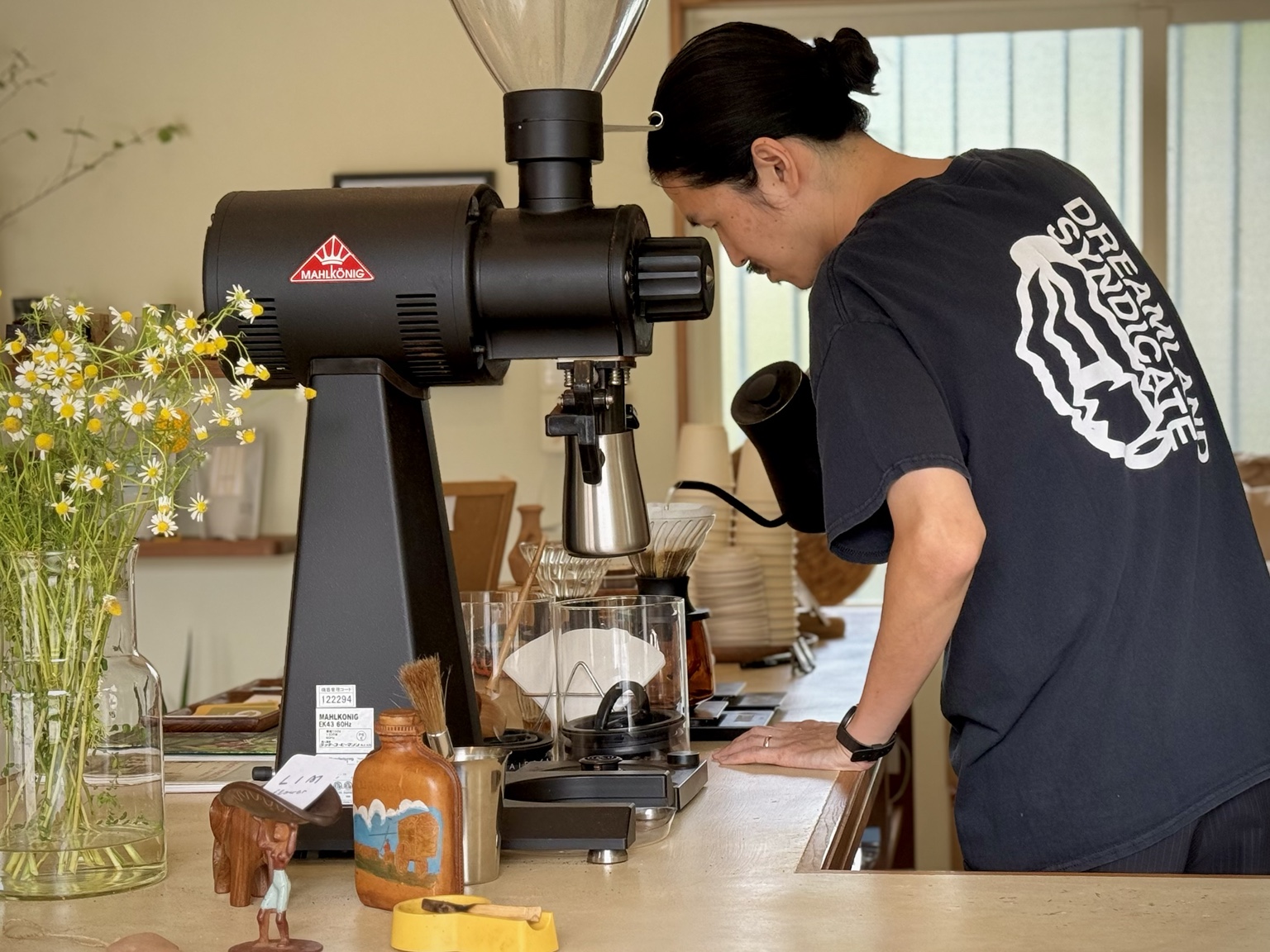
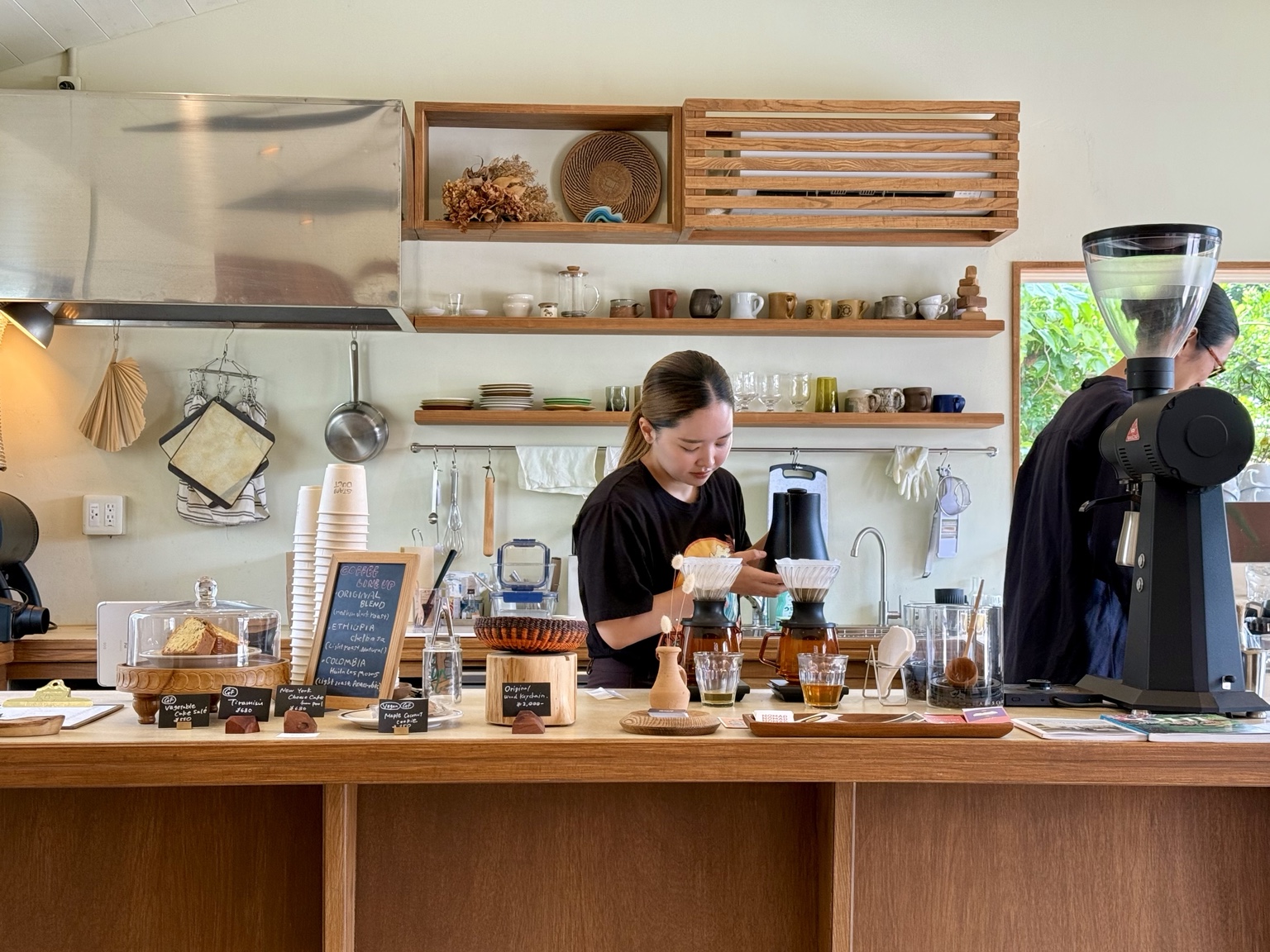
Since then, Ishigaki’s coffee scene has grown more varied, with FUSHI COFFEE leading the way. FUSHI COFFEE ROASTERS opened on the island in April 2022 and specializes in specialty coffee, roasted in-house. You can see how seriously they take roasting from the German-made roaster inside the shop. In recent years they’ve also made a name for themselves in roasting competitions. For me, the shop captures how far specialty coffee has come on the island. The delicious gluten-free baked goods are a bonus.
Standact also made an impression on me. It opened on Ishigaki in the summer of 2023 as a coffee stand that roasts its own beans, with the idea of building a community over a cup of coffee. Walking in, I almost forgot I was in Okinawa, in the best possible way. It felt like a different side of Ishigaki.
Nutstown coffee is another part of Ishigaki’s coffee scene today. From the specialty coffee and baked goods to the merchandise, everything feels of a piece. It’s the sort of place a coffee lover might plan a trip around. And in urizun, the terrace is wonderful in the late afternoon.
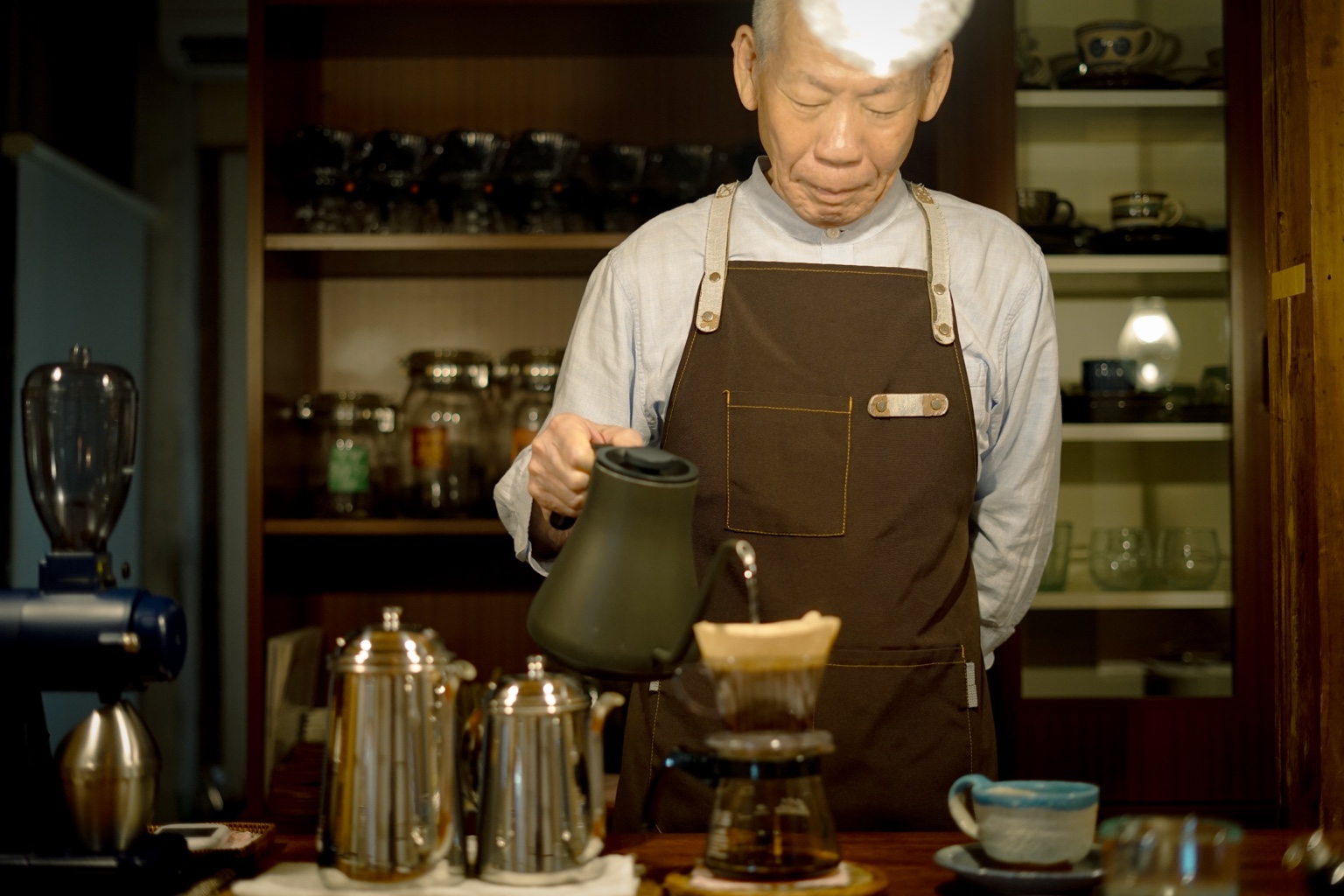
A place like Waidu (和居津) feels just as much a part of Ishigaki to me. It moves at a quieter, more unhurried pace than the newer specialty coffee shops. Sitting there, I get a sense of how the island’s coffee culture has grown out of a rhythm of life that was already here.
Waidu also serves coffee made from beans grown on Ishigaki, though it’s off the regular menu. It costs a little more, but it’s a cup I can’t get anywhere else. When I went, I was told it was the last cup of the season. I was grateful to have it.
Looking at these places together, I’m struck by how much richer Ishigaki’s coffee scene has become in just a few years. More shops now put specialty coffee front and center, and there are still places where you can linger over a cup in a traditional house. I like how differently time passes from one coffee shop to the next.
At popular coffee shops in cities, I often open my laptop and get some work done. The shops are usually busy, and a coffee stop easily becomes a chance to get something done. On Ishigaki I take more time over my coffee. Maybe it’s the slower pace here, but savoring a cup feels like time well spent in itself. I stop in on a walk, have a cup, talk with the people at the shop, then go on walking. That rhythm suits the island.
Ishigaki is known for its sea and natural scenery. These days, coffee has become another way to get to know the island. Six years ago, the places I knew felt like scattered points on a map. Now I’m beginning to see how they connect. Noticing that change over a cup of coffee is one of the pleasures of being here now.